

Sea bream · sheltered saltwater edge
Recorded as a calm-session catch close to structure, fished with a ledgered natural bait and a light sea setup that still left enough control for the final metres.
A practical UK angling guide to choosing the water, matching rod and reel, preparing line and terminal tackle, checking the setup at the bank and making a controlled first cast without turning the evening before into a pile of last-minute decisions.

Good preparation narrows choices. Before opening the tackle box, write down the venue type, likely depth and flow, target species, access route, expected wind, daylight window and the way you plan to land and release fish. That gives every item in the bag a reason to be there.
For anglers travelling in the UK, permissions and rules sit alongside tackle preparation. Freshwater fishing in England and Wales normally requires the appropriate rod fishing licence as well as the fishery or landowner’s permission, while arrangements differ in Scotland and Northern Ireland. Coastal trips add another layer: forecast, tide movement, safe access and a route back from the mark.
A useful plan fits on one screen: where you are going, what you are trying to catch, which conditions would make you change plan, and what you need to leave the bank clean and safe.

Start with the non-negotiables. If the water is exposed, wind direction may decide whether a light float setup is sensible. If the bank is steep or snaggy, landing gear and line strength become more important than adding another lure box.
The same target species can need very different gear on a sheltered canal, an open reservoir, a tidal estuary or a rocky coastal mark. Venue first, tackle second.

Shorter casts, quieter entry, compact tackle and precise line management.
Match casting distance to rod action and feeder or float weight rather than chasing maximum range.
Check access, wind, swell and the return route before choosing where to stand.
The useful question is not “What is the strongest rod?” but “What load, casting range and fish control does this water actually require?”



Longer rods can help line control or casting, but extra length is not automatically useful under trees, on tight banks or from a small boat.
Match spool capacity to line diameter and likely casting distance. Set the drag for control rather than locking it down at home.
Lure, feeder, lead and terminal tackle should sit inside the rod’s intended casting range with a sensible margin.
Knots, leaders, clips, hooks and terminal tackle are small components with a large effect on whether the setup behaves the way you expect.
Keep the main line, leader and terminal section easy to inspect and replace. Tie a small number of proven alternatives before leaving home rather than carrying dozens of untested combinations.

The point is not the size of the fish. Each catch shows why species, water and presentation should be considered together before you choose the rod, reel and terminal tackle.
Recorded as a calm-session catch close to structure, fished with a ledgered natural bait and a light sea setup that still left enough control for the final metres.

Taken in cool, settled conditions with a slow-moving presentation. A forgiving rod action and measured drag setting mattered more than heavy line.
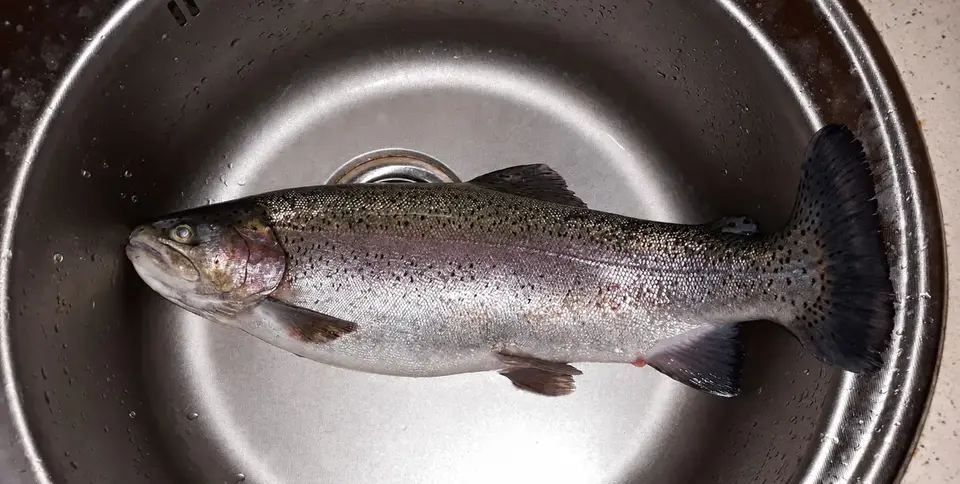
A slightly heavier stillwater setup was used where depth and fish size called for more line control. The terminal section stayed fine enough to keep the presentation natural.
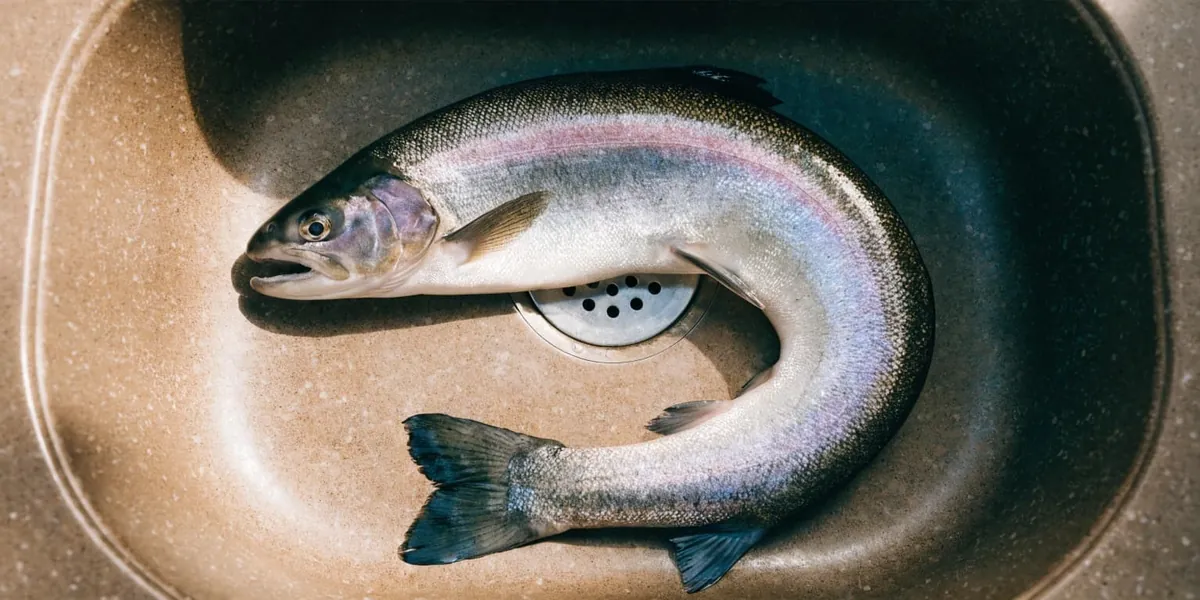
In clear conditions the setup was kept simple: light leader, compact lure and a smooth drag. The emphasis was on presentation and controlled pressure rather than adding more hardware.
Most preparation articles stop at the cast. In practice, an angler may face another decision after landing a fish: release it, retain it where lawful, or identify it properly before doing anything else. Familiar species are one thing; an unfamiliar fish is a reason to slow down rather than guess.
Appearance alone does not tell you whether a fish is suitable for the table. Local rules may restrict retention, some species need particular handling, and food-safety risks can come from toxins, contamination or poor temperature control rather than from the dramatic features anglers tend to notice first.
That headline is more dramatic than the useful lesson behind it. There is no single “most dangerous fish” for every angler or diner. The practical risk is misidentification: assuming that an unfamiliar species can be handled, stored and prepared in exactly the same way as a familiar one.
Pufferfishes are the obvious example because some species are associated with tetrodotoxin, a potent marine biotoxin. That does not mean every unusual fish is dangerous, and it does not make home experimentation a sensible idea. If you cannot identify a catch confidently and verify the rules that apply to it, the safest fishing decision is not to treat it as food.
There is another, less exotic reason to think ahead. Fish intended for the table need clean handling and prompt temperature control. A hot car, an overfilled bag or hours on the bank can undo the care taken during the catch. Preparation therefore includes a cool box, clean storage and a plan for the journey home.
When this phrase appears online, it often collapses several different issues into one alarmist claim. The more accurate takeaway is that some seafood hazards are not visible, and species-specific risks are easy to miss if the fish is unfamiliar. That is why identification and reliable food-safety guidance matter more than viral labels.
For the angler, the rule is simple and practical: never improvise with a catch you do not recognise. Do not rely on colour alone, do not assume that “someone eats it somewhere”, and do not turn the day’s success into a food-safety experiment. Take a clear photo, record the location and identifying features, and release the fish where lawful if uncertainty remains.
Then return to the part of fishing that you can control directly: the quality of the preparation, the way the tackle is matched to the water, and the care used at the bank. That is where the next section begins.
A two-minute check at the water catches transport damage, crossed guides, loose reel seats and a drag setting that felt fine in the kitchen but wrong in the cold.
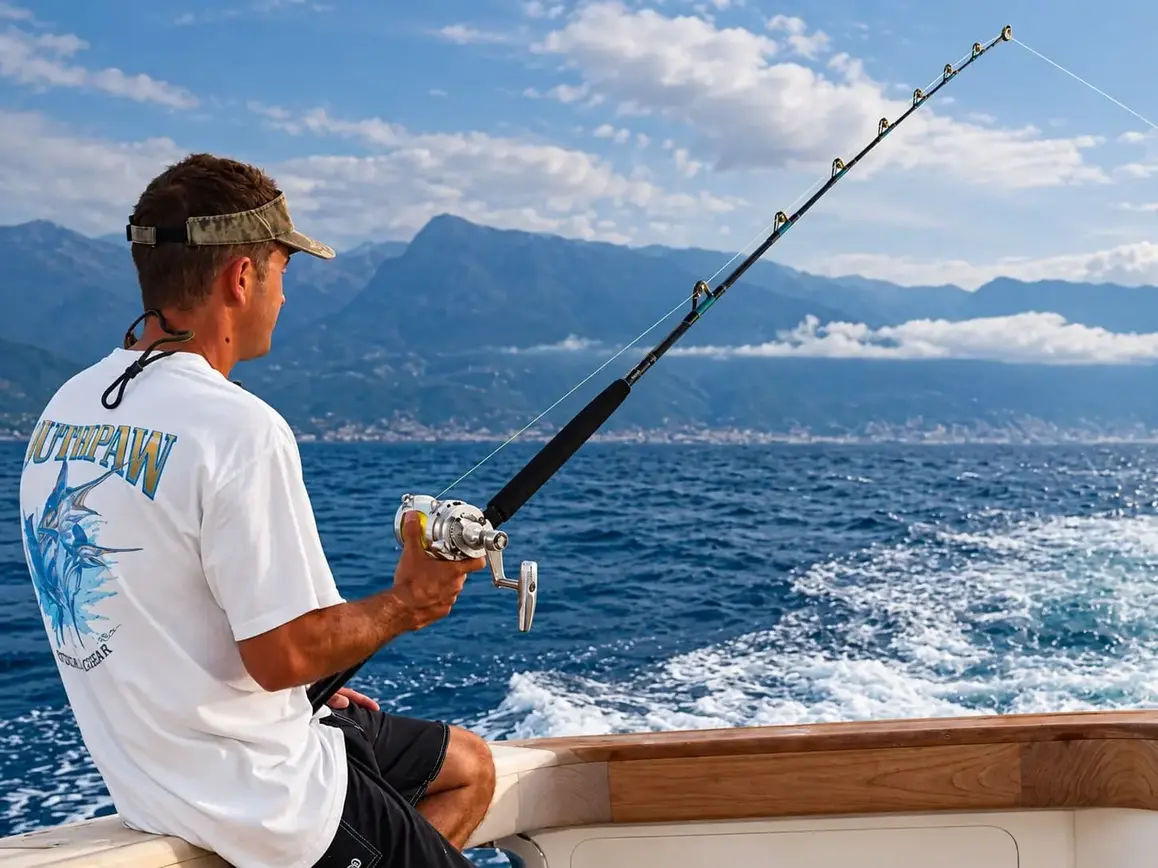
The first cast tells you about balance, line lay, sink rate, drift, wind bow and how the rig behaves in the water. It is information, not a distance competition.
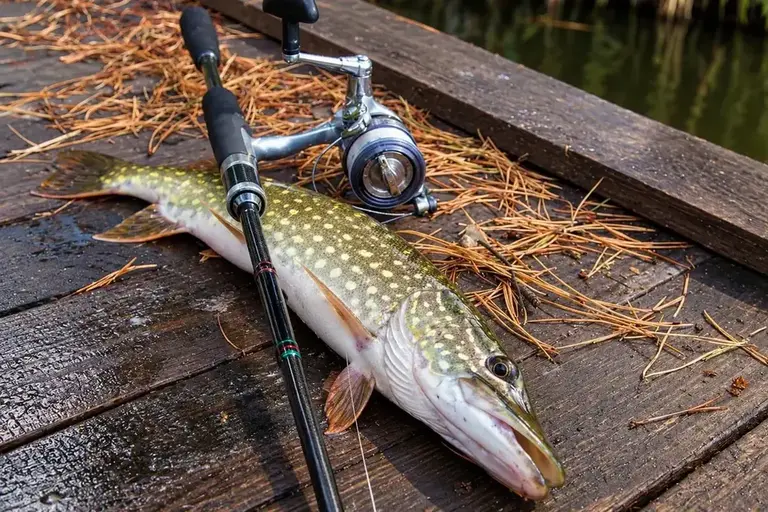
Leave room to check that the rig flies cleanly and the line comes off the spool without a loop or snag.
Wind bow and line angle tell you whether presentation and contact are what you intended.
Change weight, leader, lure or casting angle one at a time so you know which adjustment actually helped.
Our paid consultations focus on the equipment you already own, the water you plan to fish and the gaps that genuinely need filling. Equipment purchases are separate and are never a condition of the consultation.
For one venue type and one main target. A concise check of your current setup before a specific trip.
A full preparation review for anglers who want the venue, tackle, rig sequence and backup options considered together.
For anglers replacing or adding core equipment and wanting the rod, reel, line and terminal system matched as one setup.
The consultation is about matching equipment and preparation to a real fishing situation. It is not guiding, chartering or a promise of a catch.
We need enough detail to understand the water and the equipment you already have. If something important is missing, we will clarify it before recommending a setup.